
Blog
How to Start a Clothing Business: A Step-by-Step Guide for Long-Term Success

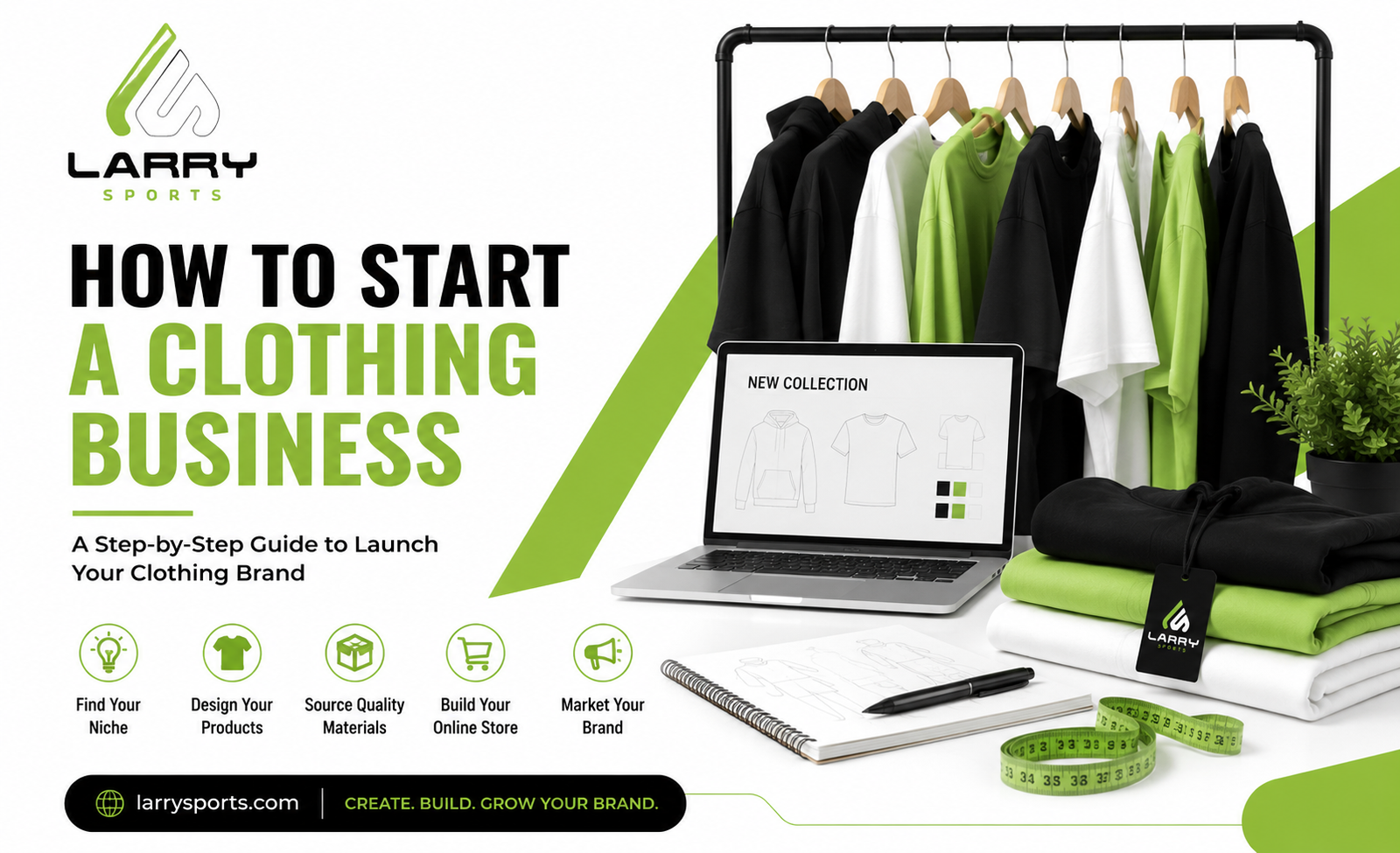
Starting a clothing business has never been more exciting. Thanks to eCommerce, social media, and global manufacturing opportunities, entrepreneurs can launch apparel brands with lower upfront investment than ever before.
However, success isn’t simply about creating attractive designs. Modern clothing brands must focus on quality manufacturing, strong branding, customer experience, and strategic marketing.
Whether you’re planning to launch a streetwear label, sportswear collection, fashion brand, or custom apparel company, this guide will walk you through every stage of building a profitable clothing business.
Why More Entrepreneurs Are Starting Clothing Brands
The apparel industry continues to grow because consumers are looking for products that match their personalities, lifestyles, and values.
Today’s successful brands aren’t necessarily the biggest—they’re the ones with clear identities.
Instead of selling clothes, they’re selling:
- Lifestyle
- Community
- Quality
- Comfort
- Performance
- Sustainability
From our experience working with custom clothing production, we’ve seen that brands with a clear niche consistently outperform brands trying to sell to everyone.
Core Foundations Every Clothing Business Needs
Before spending money on designs or marketing, understand the pillars that make apparel brands successful.
1. A Clear Brand Identity
Ask yourself:
- Who is your target customer?
- What problem are you solving?
- Why should customers buy from you instead of established brands?
Examples include:
- Premium gym wear
- Oversized streetwear
- Sustainable fashion
- Custom sports uniforms
- Corporate apparel
- Outdoor clothing
The more focused your niche, the easier your marketing becomes.
2. High-Quality Manufacturing
Many new businesses fail because they focus only on design while ignoring production quality.
Your manufacturer directly impacts:
- Fabric quality
- Stitching
- Durability
- Customer satisfaction
- Repeat purchases
Working with an experienced custom manufacturing company allows brands to maintain consistency while scaling production efficiently.
3. Strong Product Design
You don’t need hundreds of products.
Many successful brands begin with:
- One hoodie
- One t-shirt
- One tracksuit
- One sports jersey
Focus on making your first collection exceptional instead of creating dozens of average products.
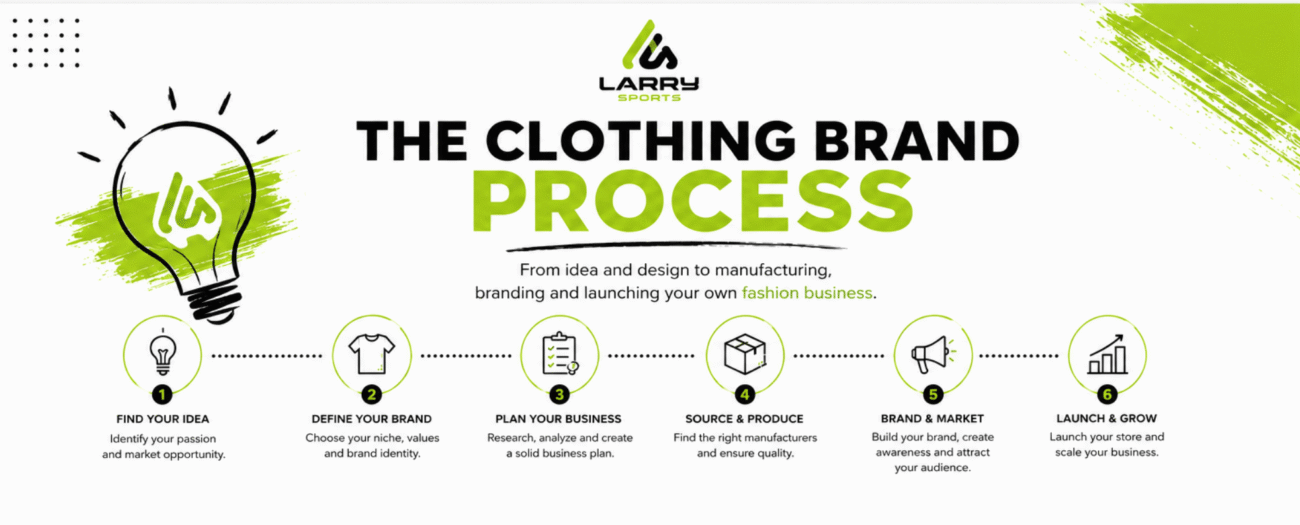
Step-by-Step Guide to Starting a Clothing Business
Step 1: Research Your Market
Study competitors carefully.
Look for:
- Popular products
- Pricing
- Customer reviews
- Materials used
- Brand positioning
Pay attention to customer complaints because those reveal opportunities.
For example:
If customers complain about poor fabric quality, build your brand around premium materials.
Step 2: Create a Business Plan
A simple business plan should include:
- Target audience
- Product categories
- Startup budget
- Manufacturing costs
- Marketing strategy
- Sales channels
- Revenue goals
Planning reduces expensive mistakes later.
Step 3: Develop Your Brand
Choose:
- Brand name
- Logo
- Brand colors
- Typography
- Packaging
- Brand voice
Customers remember brands that appear professional and consistent.
Your branding should communicate your values immediately. Contact For Branding
Step 4: Choose the Right Manufacturer
Manufacturing is one of the biggest decisions you’ll make.
Look for manufacturers offering:
- Custom fabric options
- Private labeling
- Low minimum order quantities
- Quality control
- Custom packaging
- Fast communication
- Sample production
At Larry Sports PK, we’ve observed that businesses investing in production quality early build stronger customer loyalty than brands focused solely on reducing costs.
Step 5: Design Your Collection
Focus on products customers actually want.
Popular categories include:
- T-shirts
- Hoodies
- Joggers
- Tracksuits
- Gym wear
- Sports uniforms
- Jackets
- Polo shirts
Always create physical samples before approving full production.
This allows you to inspect:
- Fabric
- Stitching
- Sizing
- Color accuracy
- Print quality
Step 6: Price Your Products Correctly
Many startups underprice products.
Instead, calculate:
- Manufacturing cost
- Shipping
- Packaging
- Marketing
- Website expenses
- Taxes
- Profit margin
Healthy businesses are built on sustainable pricing—not just low prices.
Step 7: Build Your Online Store
Most clothing businesses begin online.
Essential pages include:
- Home
- Shop
- About Us
- Size Guide
- Contact
- Shipping Policy
- Returns Policy
- FAQs
Ensure your website loads quickly and works perfectly on mobile devices.
Step 8: Create a Marketing Strategy
Marketing starts before your products launch.
Use:
- TikTok
- Email marketing
- SEO
- Influencer collaborations
Share behind-the-scenes content showing:
- Design process
- Fabric selection
- Manufacturing
- Product testing
- Packaging
Customers enjoy seeing how products are made.
Common Mistakes New Clothing Businesses Make
Avoid these costly errors.
Trying to Sell Everything
Start with one niche.
Expand later.
Ignoring Product Quality
Poor quality creates refunds, negative reviews, and lost customers.
Ordering Too Much Inventory
Begin with smaller production runs.
Increase orders after validating demand.
Weak Branding
Great products still struggle without professional branding.
No Marketing Plan
Launching a website isn’t enough.
Customers need a reason to discover your brand.
First-Hand Industry Insight
Working alongside custom apparel manufacturing projects has shown us that brands succeeding today focus less on chasing trends and more on consistency.
The strongest businesses usually:
- Test samples multiple times
- Listen to customer feedback
- Improve products every season
- Invest in premium materials
- Build long-term relationships with manufacturers
We’ve also seen startups dramatically reduce returns simply by improving sizing accuracy and fabric consistency before launch.
These practical improvements often produce better results than increasing advertising budgets.
How SEO Helps Clothing Brands Grow
Search engines remain one of the most cost-effective sources of long-term customers.
Optimize your website by:
- Publishing buying guides
- Writing fashion blogs
- Using descriptive product titles
- Optimizing images
- Improving page speed
- Building helpful content
Instead of writing for search engines, answer real customer questions.
Examples include:
- How to choose hoodie sizes
- Best fabrics for sportswear
- Cotton vs polyester
- How to wash custom apparel
Helpful content naturally attracts organic traffic. Contact Us For Website SEO Optimization
Building Trust With Customers
Trust directly influences conversions.
Ways to increase trust include:
- Product reviews
- High-quality product photography
- Detailed sizing charts
- Transparent shipping information
- Secure checkout
- Easy return policies
- Professional customer support
People buy from brands they trust.
Scaling Your Clothing Business
Once sales become consistent, focus on growth.
Consider:
- Launching new collections
- Expanding internationally
- Offering wholesale services
- Introducing private label products
- Collaborating with influencers
- Running seasonal campaigns
Growth should be strategic rather than rushed.
Actionable Steps to Start Your Clothing Business
Use this checklist before launching your apparel brand:
- Choose a profitable niche.
- Research your competitors.
- Create a business plan.
- Develop professional branding.
- Partner with a reliable custom manufacturer.
- Produce high-quality samples.
- Build an eCommerce website.
- Create an SEO strategy.
- Launch on social media.
- Collect customer feedback and continuously improve.
Following these steps provides a strong foundation for sustainable growth.
Frequently Asked Questions
How much money do I need to start a clothing business?
Startup costs vary depending on your products, manufacturing method, branding, and marketing. Many entrepreneurs begin with a small collection and scale as sales grow.
Should I manufacture locally or overseas?
Both options have advantages. Local production often offers faster communication and shorter lead times, while overseas manufacturing may provide lower costs for larger production runs. Choose the option that best fits your quality standards, budget, and business goals.
What products should I launch first?
Start with one or two high-demand products such as T-shirts, hoodies, or sportswear. Perfect these items before expanding your catalog.
Is SEO important for clothing brands?
Absolutely. SEO helps your website attract long-term organic traffic, reducing reliance on paid advertising and increasing visibility for customers searching for apparel online.
Summary:
Starting a clothing business requires more than creative designs. Successful apparel brands combine strong branding, reliable manufacturing, premium product quality, strategic marketing, and customer-focused experiences.
By choosing the right manufacturing partner, validating your products through sampling, investing in professional branding, and consistently delivering quality, you can build a clothing brand that earns customer trust and grows sustainably over time.
If you’re looking for a trusted custom clothing manufacturing partner, Larry Sports PK can help transform your ideas into high-quality apparel tailored to your brand’s vision.