
Blog
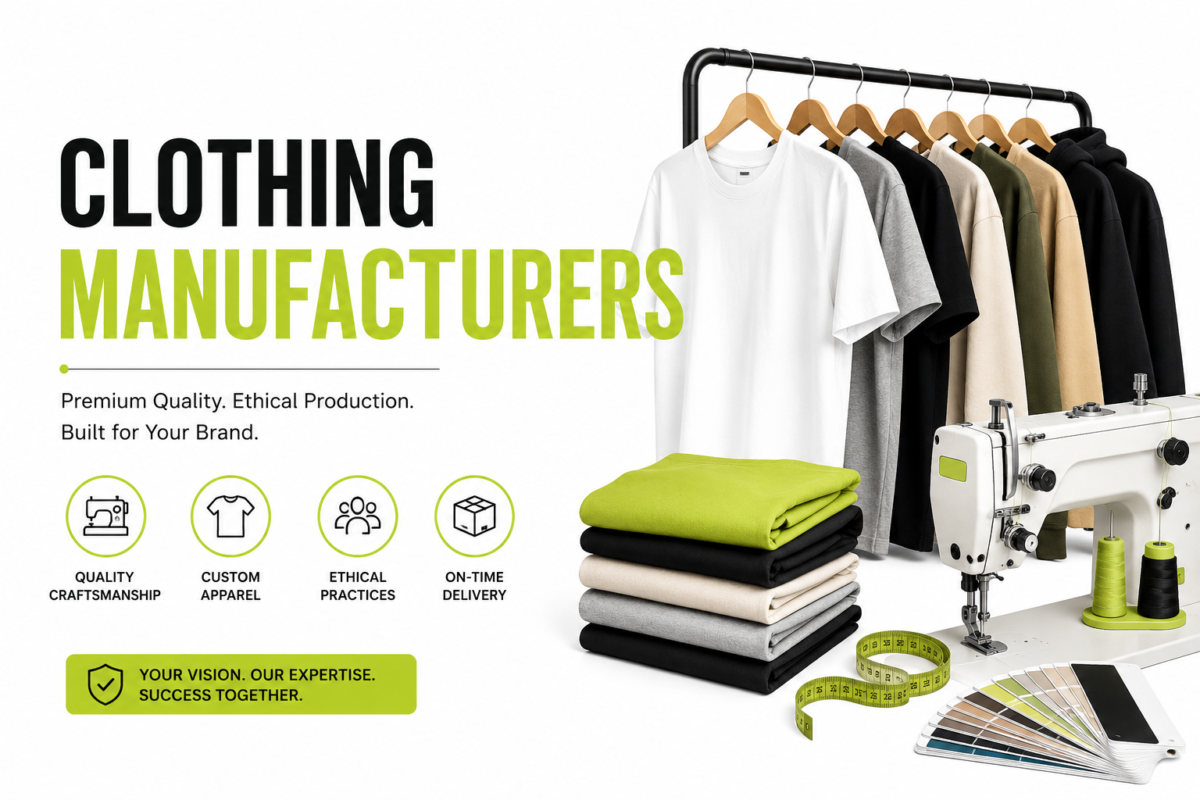
Custom Clothing Manufacturing: The Ultimate Guide to Building a Unique Apparel Brand

The Growing Demand for Custom Clothing Manufacturing
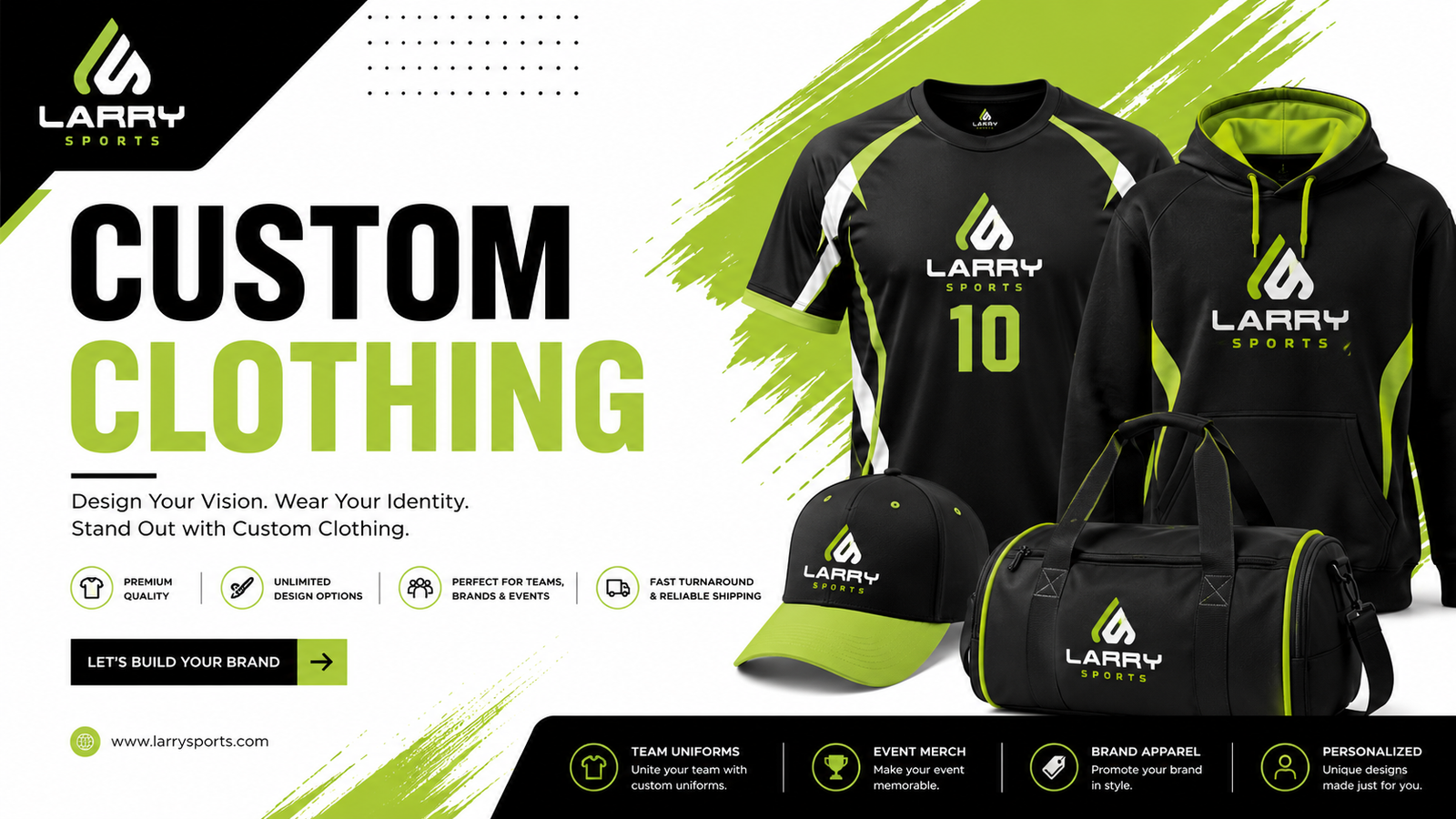
In today’s competitive fashion and sportswear market, businesses can no longer rely solely on generic apparel to stand out. Consumers are increasingly seeking unique products that reflect their personal style, team identity, or brand values. This shift has fueled the rapid growth of custom clothing manufacturing across industries.
Whether you’re launching a fashion label, creating uniforms for a sports team, or developing promotional merchandise for your business, custom apparel offers unmatched flexibility and branding opportunities.
At Larry Sports PK, we have worked with businesses, sports organizations, and entrepreneurs who wanted more than just off-the-shelf products. Through years of manufacturing experience, we’ve seen firsthand how customized apparel helps brands establish stronger market recognition and customer loyalty.
What Is Custom Clothing Manufacturing?
Custom clothing manufacturing is the process of designing and producing garments according to specific customer requirements rather than using standard, pre-made templates.
Unlike mass-produced apparel, custom manufacturing allows businesses to control:
- Fabric selection
- Garment design
- Colors and patterns
- Logo placement
- Printing techniques
- Embroidery details
- Sizing specifications
- Packaging options
This level of customization enables brands to create products that accurately represent their vision and target audience.
Why Businesses Are Choosing Custom Clothing Manufacturing
1. Stronger Brand Identity
Your clothing represents your brand. Custom apparel allows businesses to showcase their logo, colors, messaging, and unique style consistently across all products.
Customers are more likely to remember brands that offer distinctive and professionally designed apparel.
2. Better Product Quality Control
With custom manufacturing, businesses have greater control over production standards.
Manufacturers can ensure:
- Durable stitching
- Premium fabrics
- Accurate sizing
- High-quality printing
- Long-lasting embroidery
This leads to higher customer satisfaction and fewer product returns.
3. Competitive Market Advantage
The apparel market is crowded. Generic products often struggle to attract attention.
Custom clothing helps businesses:
- Differentiate from competitors
- Target niche audiences
- Build customer loyalty
- Increase perceived value
Unique products often command higher profit margins compared to standard wholesale garments.
4. Flexibility for Growing Brands
Custom manufacturing allows businesses to adapt quickly to changing trends and customer preferences.
Whether introducing seasonal collections or expanding product lines, custom production provides greater flexibility than purchasing ready-made apparel.
Core Components of Custom Clothing Manufacturing
Understanding the manufacturing process helps businesses make informed decisions and achieve better results.
Fabric Selection
Fabric is the foundation of every garment.
Popular options include:
- Cotton
- Polyester
- Cotton-poly blends
- Fleece
- French Terry
- Spandex blends
- Performance fabrics
The choice depends on the intended use of the garment.
For example:
- Sportswear benefits from moisture-wicking fabrics.
- Fashion apparel often prioritizes comfort and aesthetics.
- Workwear requires durability and functionality.
Design Development
Design is where your vision begins to take shape.
Manufacturers typically work from:
- Sketches
- Digital mockups
- Technical packs
- Reference samples
A detailed design package minimizes production errors and ensures consistency.
Pattern Making
Pattern making transforms a design into production-ready templates.
Professional patterns help achieve:
- Accurate sizing
- Better fit
- Consistent garment construction
- Reduced fabric waste
Sample Production
Before mass production begins, manufacturers create samples for approval.
Sampling allows businesses to:
- Evaluate fabric quality
- Test fit and comfort
- Verify colors
- Review branding elements
This stage is crucial for identifying improvements before large-scale manufacturing.
Bulk Production
Once samples are approved, full production begins.
Quality control measures should be implemented throughout the manufacturing process to ensure consistency and minimize defects.
Popular Custom Apparel Categories
Custom clothing manufacturing serves various industries and customer groups.
Sportswear
Sportswear remains one of the fastest-growing apparel sectors.
Common products include:
- Team jerseys
- Tracksuits
- Training wear
- Compression garments
- Sports shorts
- Performance t-shirts
Custom sportswear allows teams and organizations to create a professional identity while improving athlete performance.
Streetwear
Streetwear brands thrive on uniqueness and exclusivity.
Custom manufacturing enables brands to produce:
- Hoodies
- Sweatshirts
- Oversized t-shirts
- Joggers
- Jackets
Many successful streetwear companies began with small custom production runs.
Corporate Apparel
Businesses use custom clothing for:
- Employee uniforms
- Promotional campaigns
- Corporate events
- Trade shows
Branded apparel strengthens company identity and creates a professional appearance.
Fashion Collections
Fashion startups often rely on custom manufacturing to bring original designs to market.
Custom production allows designers to maintain creative control while ensuring product quality.
Actionable Steps for Successful Custom Clothing Manufacturing
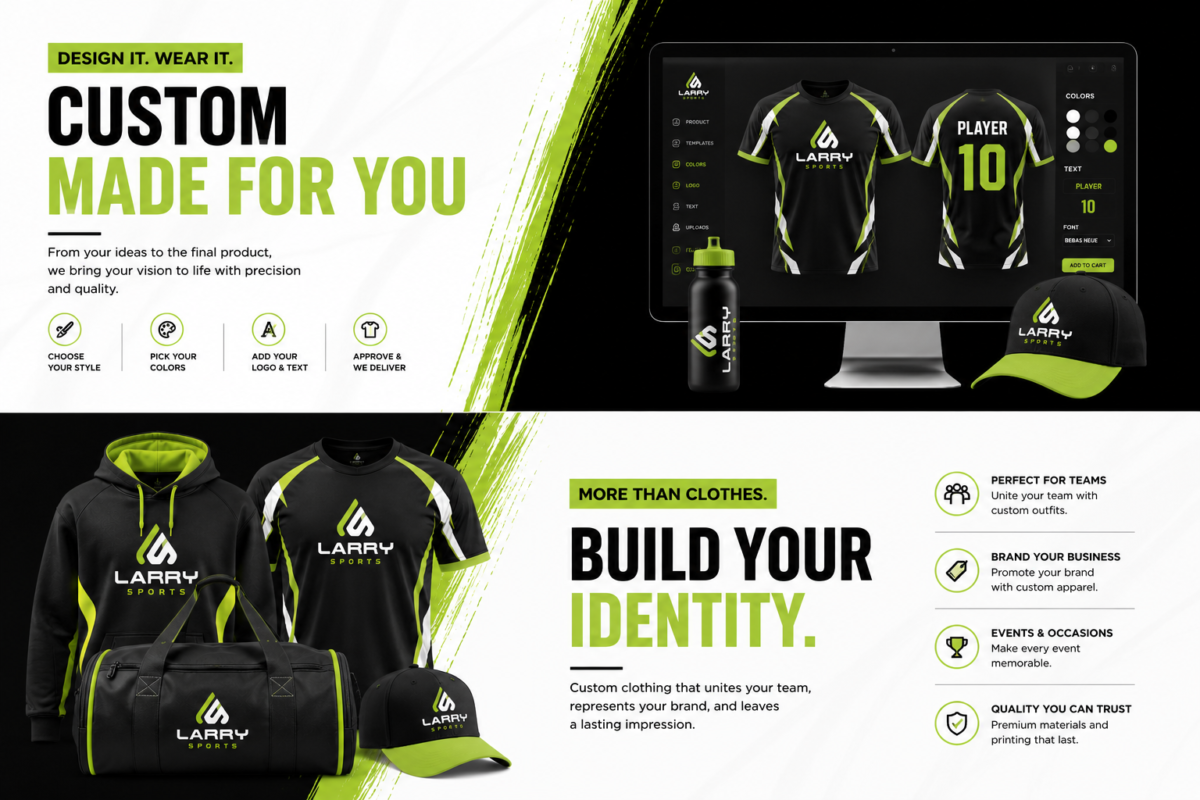
If you’re planning to launch your own apparel line, follow these proven steps:
Step 1: Define Your Target Audience
Understand who will wear your products.
Consider:
- Age group
- Gender
- Lifestyle
- Budget
- Fashion preferences
Customer insights help guide design and production decisions.
Step 2: Develop a Strong Brand Identity
Your apparel should communicate your brand’s personality.
Focus on:
- Logo design
- Brand colors
- Messaging
- Product positioning
Consistency builds trust and recognition.
Step 3: Choose Quality Materials
Investing in premium fabrics often results in better customer reviews and repeat purchases.
Never compromise quality solely to reduce costs.
Step 4: Create Detailed Specifications
Provide manufacturers with clear instructions regarding:
- Measurements
- Fabric requirements
- Printing methods
- Embroidery details
- Labels
- Packaging
Detailed specifications reduce misunderstandings and production delays.
Step 5: Approve Samples Carefully
Examine every aspect of your sample before approving bulk production.
Check:
- Stitching quality
- Fabric feel
- Color accuracy
- Logo placement
- Overall appearance
A thorough review can prevent expensive mistakes later.
Step 6: Implement Quality Control
Quality control should occur at every production stage.
Regular inspections help maintain product consistency and protect your brand reputation.
Industry Insights from Manufacturing Experience
At Larry Sports PK, one common pattern we’ve observed is that brands focusing on quality and consistency outperform those chasing the lowest production costs.
Many startups initially prioritize low prices but later realize that customer retention depends heavily on product quality.
For example, businesses investing in premium materials and professional customization often generate stronger repeat purchase rates and positive word-of-mouth marketing.
This experience reinforces an important lesson: quality is not an expense—it’s an investment in long-term growth.
Common Mistakes to Avoid
Ignoring Fabric Quality
Poor-quality materials can damage your brand’s reputation and increase return rates.
Skipping Sample Testing
Never proceed directly to mass production without reviewing samples.
Overcomplicating Designs
Complex designs can increase production costs and lead to manufacturing challenges.
Choosing Manufacturers Solely Based on Price
The cheapest option is not always the best option.
Consider:
- Experience
- Communication
- Quality standards
- Production capabilities
- Customer support
Neglecting Branding Details
Small elements such as labels, tags, and packaging contribute significantly to the customer experience.
SEO and Branding Benefits of Custom Apparel
Custom clothing doesn’t just sell products—it strengthens brand visibility.
Benefits include:
- Increased brand recognition
- Improved customer loyalty
- Social media exposure
- Event marketing opportunities
- Influencer collaborations
Every garment becomes a walking advertisement for your business.
When customers wear your products, they naturally help expand your brand’s reach.
Future Trends in Custom Clothing Manufacturing
The apparel industry continues evolving rapidly.
Emerging trends include:
Sustainable Manufacturing
Consumers increasingly prefer eco-friendly fabrics and responsible production practices.
On-Demand Production
Technology is making small-batch manufacturing more efficient and cost-effective.
Smart Apparel
Wearable technology integration is creating new opportunities in sportswear and fitness clothing.
Advanced Customization
Digital tools allow customers to personalize products more easily than ever before.
Businesses that embrace these innovations will remain competitive in the years ahead.

Conclusion:
Custom clothing manufacturing has become one of the most effective ways for businesses to build distinctive brands, improve product quality, and create meaningful customer experiences.
From fabric selection and design development to sampling and bulk production, every step plays a critical role in the success of an apparel brand.
AtLarry Sports PK, we understand the importance of quality craftsmanship, reliable manufacturing, and attention to detail. Whether you’re launching a new fashion label, developing sportswear, or creating branded corporate apparel, custom manufacturing provides the flexibility and control needed to bring your vision to life.
By focusing on quality materials, strong branding, and customer needs, businesses can create apparel that not only looks great but also builds lasting relationships with customers and drives long-term growth.